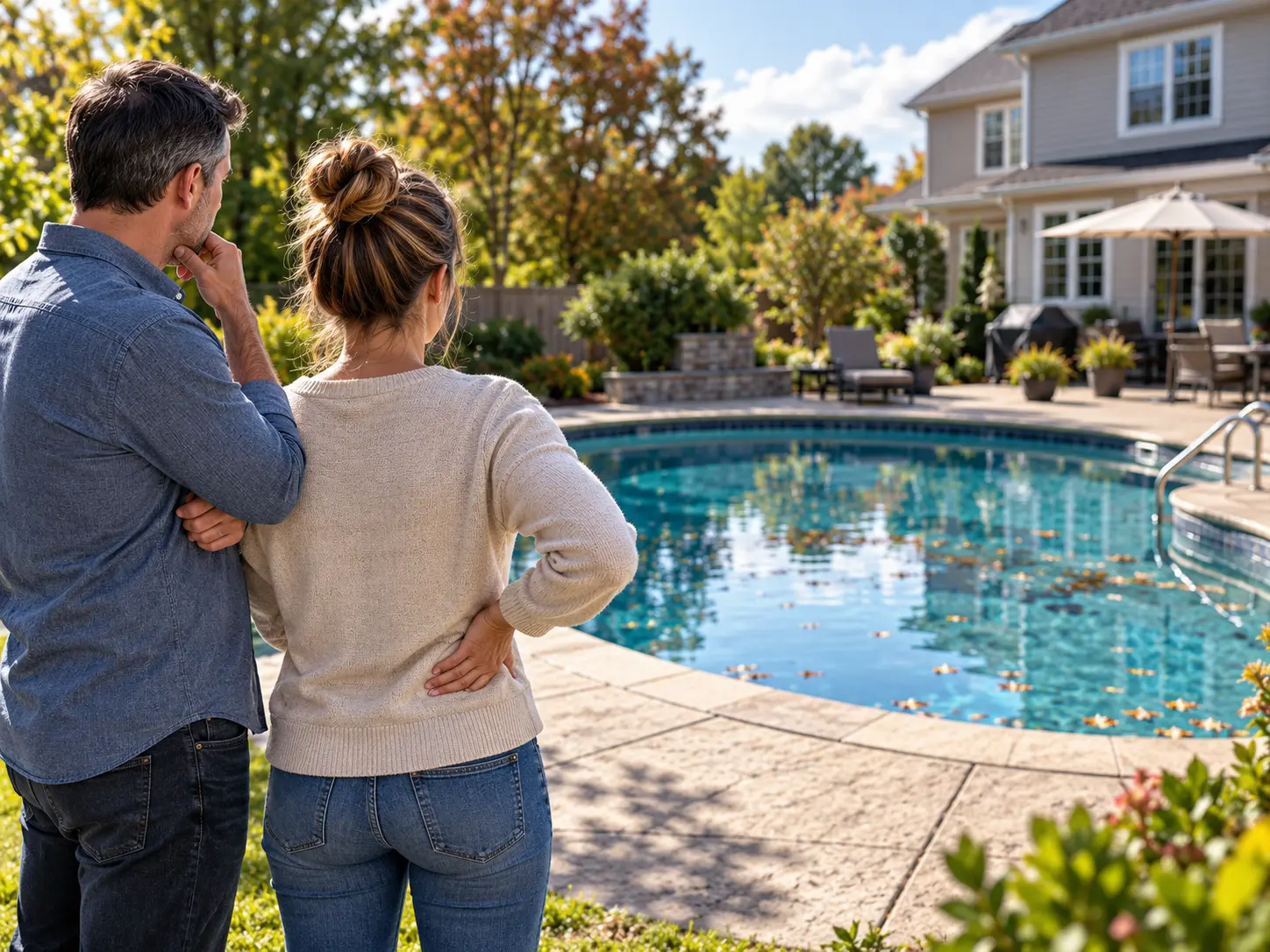
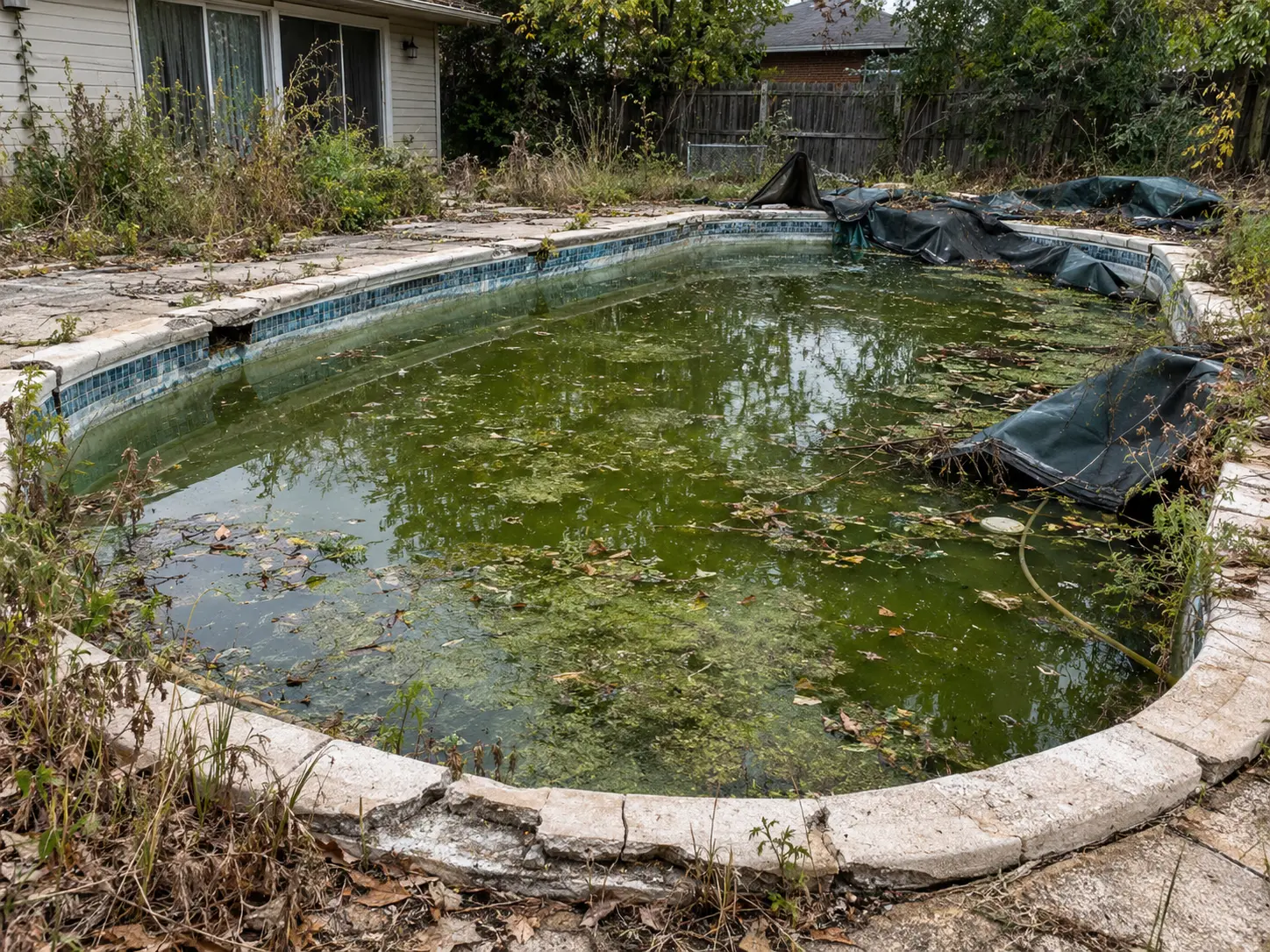
Maybe the pool just became too much. The maintenance, the chemicals, the cost, the hassle. So you stopped opening it, stopped treating it, and figured you’d let it sit. Here’s the problem: an abandoned pool doesn’t quietly go away. It turns green, breeds mosquitoes, draws code enforcement, and creates liability that lands squarely on you. In Southeastern Pennsylvania, where township ordinances take neglected pools seriously, “just leaving it” is often the most expensive choice a homeowner can make. After 25+ years helping Bucks County and Montgomery County homeowners since 2000, Robinson Landscape has seen where this road leads, and there’s a far better alternative.
This article offers general guidance, not legal advice. Township ordinances and penalties vary. Check with your local municipality about your specific situation.
What You’ll Learn
- What Abandoning a Pool Actually Means
- The Real Consequences of Walking Away
- Warning Signs Your Abandoned Pool Is Becoming a Problem
- The Better Alternative to Abandonment
- Why Southeastern PA Homeowners Choose Robinson Landscape
- Frequently Asked Questions
- Next Steps
What Abandoning a Pool Actually Means
Abandoning a pool means stopping maintenance and leaving it to deteriorate. No chemicals, no filtration, no cleaning, no winterizing. Some owners drain it and walk away. Others just stop treating the water. Either path creates problems, because a pool left alone becomes a growing hazard.
Here’s what happens to an abandoned pool over time in Pennsylvania’s climate:
- The water turns. Within weeks of stopping treatment, algae takes over and the water goes green, then black.
- Mosquitoes move in. A single neglected pool can produce more than a million mosquitoes, and they travel miles, affecting your whole neighborhood.
- The structure deteriorates. Freeze-thaw cycles crack the shell, equipment seizes, liners fail, and clay soil pressure damages the walls, raising the eventual cost to fix or remove it.
- Wildlife and pests arrive. Stagnant pools attract frogs, rodents, snakes, and insects.
Abandonment feels like doing nothing. In reality, it starts a chain of problems that gets worse and more expensive every month.
The Real Consequences of Walking Away
Code Enforcement and Fines
This is the part most homeowners don’t see coming. Having a pool you don’t use is not illegal, but allowing one to breed mosquitoes or become a public nuisance usually is. Many municipalities classify stagnant, mosquito-breeding water as a public nuisance under local ordinance, which opens the door to enforcement.
The typical pattern: a neighbor complains, code enforcement inspects, and you receive a notice with a deadline. Ignore it, and fines begin, often escalating for repeat violations into daily penalties that can reach hundreds or thousands of dollars per day in serious cases. If fines go unpaid, many municipalities place a lien on your property or add the amount to your taxes.
The Township Can Fix It and Bill You
Here’s what surprises people most: if you don’t address a nuisance pool, many Pennsylvania municipalities can enter the property, correct the problem, and charge you for the work, often as a lien against your home. You lose control of the cost and the timeline, and you still own a pool that needs a real solution.
Liability, Lost Value, and Rising Cost
An abandoned pool is still an attractive nuisance under Pennsylvania law. Dark, murky water that hides the bottom is more dangerous than a maintained pool, because a child or pet who falls in can’t be seen. If someone is injured on your property, even a trespasser, you can be held liable.
A green, neglected pool also tanks your home’s value and scares off buyers if you ever want to sell. And the removal bill grows every month as structural damage compounds. Walking away doesn’t save money. It defers and inflates the cost.
Warning Signs Your Abandoned Pool Is Becoming a Problem
If you’ve stopped maintaining your pool, watch for these signals that the situation is escalating:
- The water has turned green, brown, or black. Discolored water means algae and bacteria have taken hold and mosquito breeding is likely underway.
- You’re seeing more mosquitoes. A jump in mosquitoes around your yard often traces back to standing pool water.
- Neighbors have mentioned it. When neighbors notice, code enforcement usually isn’t far behind. Complaints are the most common trigger for inspections.
- You’ve received a notice. A letter from your township or the health department means the clock is already running.
- The structure is visibly failing. Cracks, sagging liners, or crumbling decking signal the pool is deteriorating and getting more expensive to deal with.
- Wildlife has moved in. Frogs, rodents, or snakes around the pool confirm it has become a stagnant habitat.
Catching these early matters. The sooner you act, the more options you have and the lower the cost.
The Better Alternative to Abandonment
Removal Solves Every Problem at Once
The reason you wanted to abandon the pool was to be done with it. Removal actually accomplishes that. It ends the maintenance, eliminates the liability, stops any code enforcement risk, and gives you back usable yard space, permanently. Where abandonment creates an escalating list of problems, removal resolves them all in one step.
What Removal Looks Like
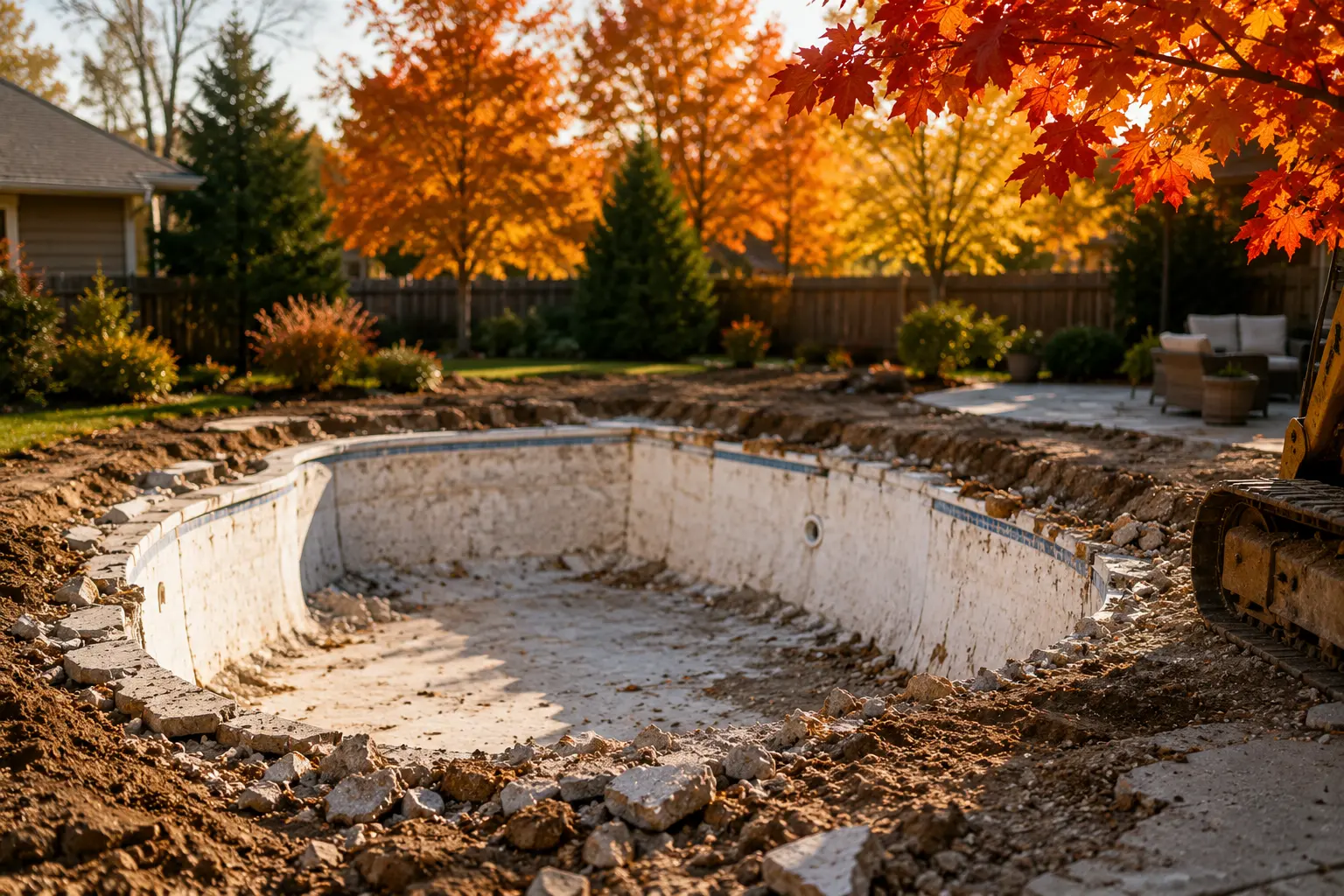
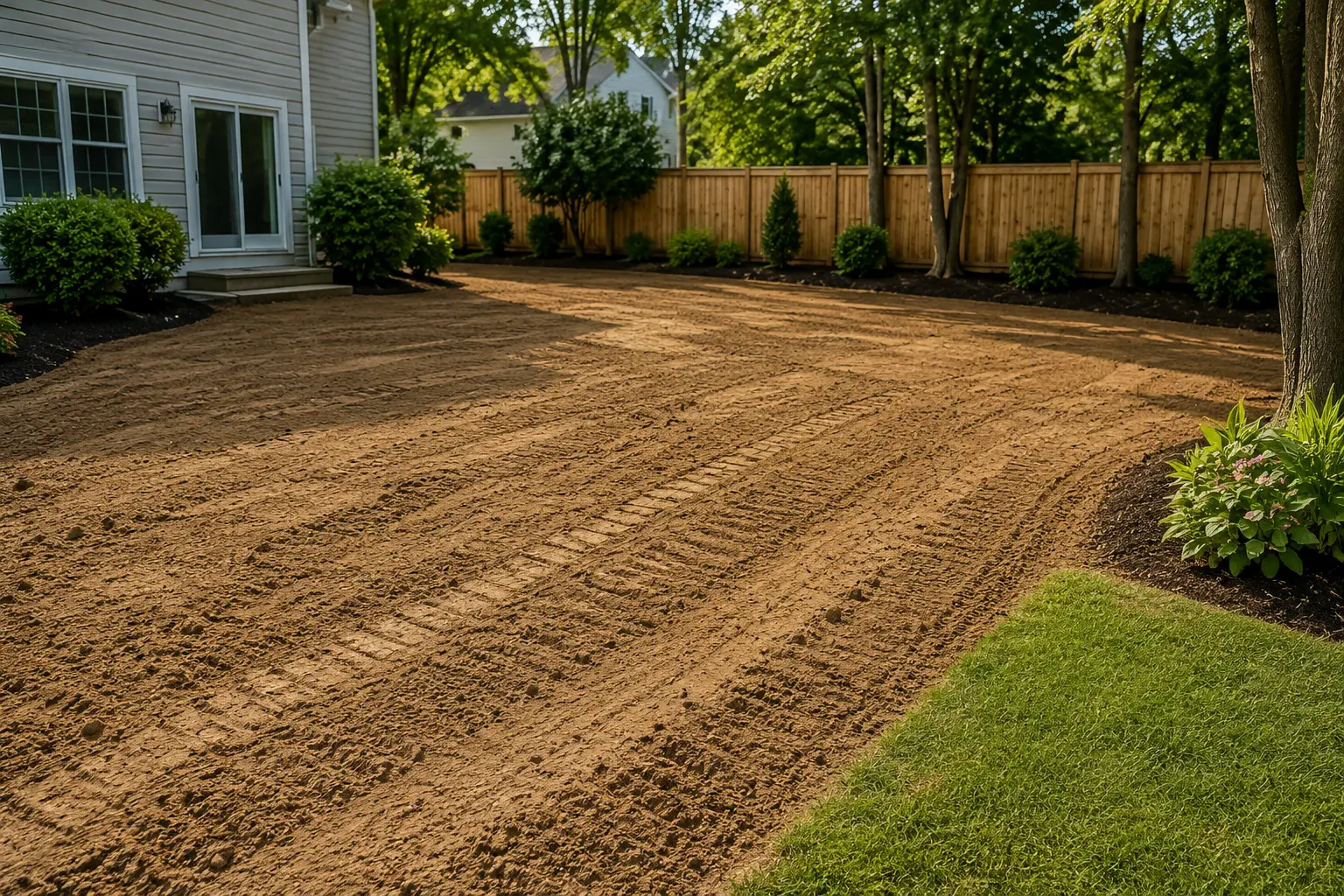
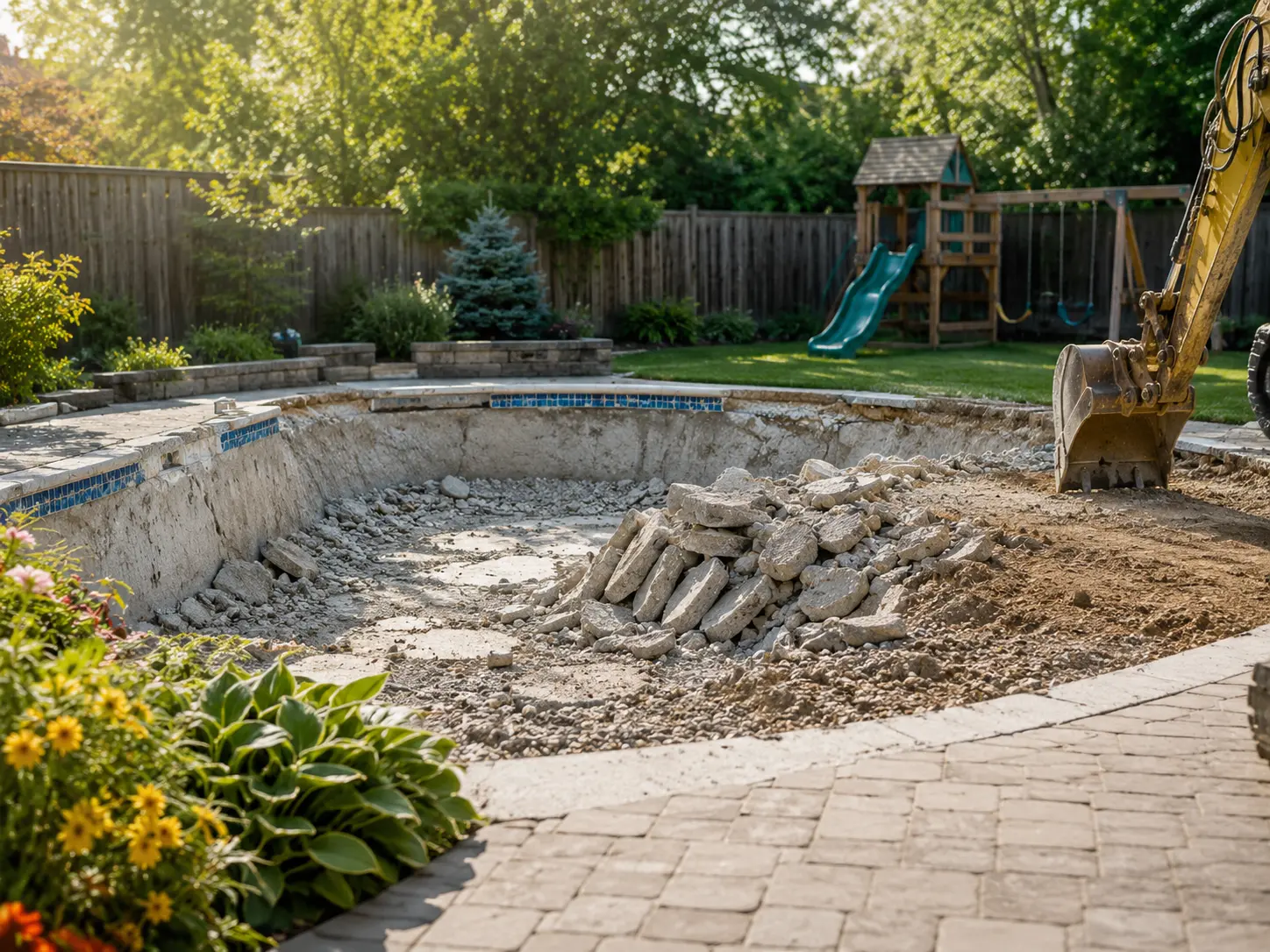
Robinson Landscape handles the entire process: permits, utility marking, draining, demolition, certified clean fill, layered compaction, grading, topsoil, and seed. Most removals are completed in 2 to 3 days, taking you from backyard liability to clean, usable yard in less time than you’d spend fighting a code violation.
The Cost Compared to the Alternative
Inground pool removal runs $5,000 to $25,000, above-ground $3,000 to $6,000. Compare that to the cost of abandonment: ongoing fines, a possible township lien, lost property value, and a removal bill that grows every season you wait. Removal is a one-time cost that ends the problem. Abandonment is an open-ended cost that keeps climbing. Removing a pool you no longer want isn’t giving up, it’s taking control, and most homeowners who do it tell us their only regret is not doing it sooner.
Why Southeastern PA Homeowners Choose Robinson Landscape
Robinson Landscape has helped Southeastern Pennsylvania homeowners resolve neglected pools since 2000, now in our 26th year. We remove pools in every condition, from recently closed to long-abandoned, and handle the permits and details so you don’t have to. We’re triple-licensed (PA #pa071368, NJ #13vh08112100, Philadelphia #46245) with OSHA certification (#36-900440038) and a BuildZoom score of 113, top 3% of 125,106 Pennsylvania contractors. Tim Robinson personally oversees every project.
Frequently Asked Questions
Is it illegal to abandon a pool in Pennsylvania? Having an unused pool is not itself illegal, but allowing it to breed mosquitoes or become a public nuisance usually violates local ordinance. Most townships can cite you, issue fines, and in some cases place a lien on your property.
What fines can I face for a neglected pool? Penalties vary by municipality. A typical pattern starts with a notice to fix the problem, then escalating fines for ongoing violations that can reach significant daily amounts in serious cases.
Can the township remove my abandoned pool and charge me? In many Pennsylvania municipalities, yes. If a nuisance pool is not addressed, the municipality can correct the problem and bill you, often as a lien, taking both cost and timeline out of your hands.
Is an abandoned pool more dangerous than a maintained one? Yes. Dark, murky water hides the bottom, so a child or pet who falls in can’t be seen. Under Pennsylvania’s attractive nuisance doctrine, you can be held liable for injuries, including to trespassers.
Can I just drain the pool and leave it? Draining helps with mosquitoes but doesn’t solve the core problem. An empty pool still collects rainwater, deteriorates structurally, and can still draw code enforcement. Removal is the lasting fix.
How much does it cost to remove an abandoned pool? Inground pool removal costs $5,000 to $25,000 depending on size, type, condition, and access. Above-ground removal runs $3,000 to $6,000. Neglected pools may fall higher due to debris or structural damage. Robinson Landscape provides free, detailed estimates.
How long does it take to remove a neglected pool? Most removals are completed in 2 to 3 days, regardless of the pool’s condition. Robinson Landscape handles permits, demolition, fill, compaction, grading, and seeding, all included.
My pool has been abandoned for years. Can it still be removed? Yes. Robinson Landscape removes pools in every state of neglect. Our crew handles standing water, structural damage, and overgrown vegetation safely and efficiently.
Next Steps
Key takeaways:
- Abandoning a pool doesn’t make it go away. It starts a chain of escalating problems
- Neglected pools can trigger code enforcement, fines, liens, and growing liability
- The township may fix a nuisance pool and bill you, taking the decision out of your hands
- Pool removal ends every problem at once, on your timeline, for one cost
If you’ve been letting your pool sit, you don’t have to wait for a notice to act. Contact Robinson Landscape for a free, no-pressure estimate and take control before it costs you more. Call (215) 292-6572 or email tim@robinsonlandscape.com to speak with Tim Robinson. Serving Bucks County, Montgomery County, Philadelphia, and Central/South New Jersey.
Tim Robinson is the owner of Robinson Landscape LLC, proudly serving Bucks and Montgomery Counties for over 24 years. Known for his strong work ethic, clear communication, and reliability, Tim brings passion and professionalism to every job. When he’s not working, he enjoys time with his wife, two kids, and their family dog.