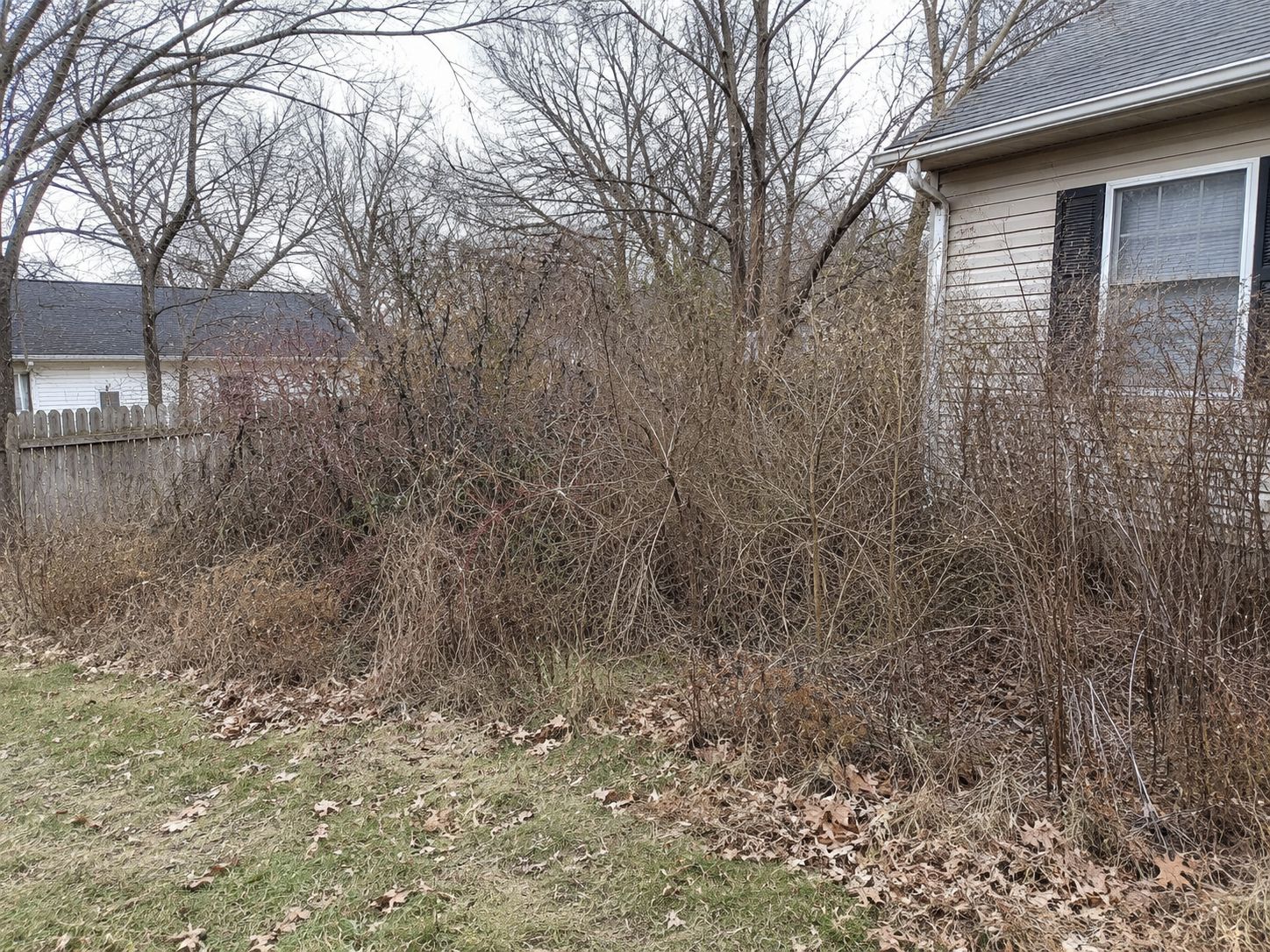
You have been staring at that overgrown corner of your property all year. The brush keeps creeping toward the house, young trees you never planted are now too big to pull by hand, and the back half of your lot has turned into a tangle you cannot even walk through. You keep telling yourself you will deal with it in spring, but spring is also when every other outdoor project competes for your time and your contractor’s calendar. Here is what most Bucks County homeowners do not realize: land clearing before winter is often the smartest move you can make. The dormant season gives crews better access, cleaner results, and a head start that puts your property weeks ahead once the ground thaws. At Robinson Landscape, we have been clearing and preparing properties across Southeastern Pennsylvania since 2000, and we see this pattern every year.
What Is Land Clearing Before Winter?
Land clearing before winter means removing unwanted vegetation, brush, small trees, and debris from your property during the late fall and winter months rather than waiting for the growing season. For homeowners on residential lots, this usually involves:
- Selective tree and sapling removal to open up a crowded yard
- Brush and overgrowth clearing along property lines and fence rows
- Stump grinding so new growth does not return in spring
- Grading and leveling to prepare a cleared area for future use
- Debris hauling and site cleanup
Homeowners most often need this when an unused section of the yard has become impassable, when brush is threatening the house or a structure, or when they are planning a spring project like a garden, patio, play area, or lawn expansion and want the hard prep work done first. In Pennsylvania’s climate, that prep is easier to do when the vegetation has gone dormant.
Why Winter Clearing Beats Waiting for Spring
Most people assume outdoor work has to wait until the weather warms up. For land clearing, that instinct usually costs you. When you clear in spring, you are competing with wet ground, fast-growing vegetation, and a packed contractor calendar. When you clear before winter, the conditions actually work in your favor, and your property is ready to go the moment the growing season starts.
The real difference comes down to what happens during the dormant months in Southeastern Pennsylvania. Vegetation stops growing, leaves drop, the ground firms up, and pests go quiet. Each of those changes makes a clearing project cleaner, faster, and easier on the rest of your yard. Waiting for spring means giving all of that back and starting from a harder position.
What Makes the Dormant Season Work So Well
In our 25-plus years clearing properties across Bucks County and Montgomery County, we have found that four factors make the dormant season the best window for this work.
Bare Branches Mean Better Visibility
Once the leaves drop, a crew can actually see the shape of your property. Every tree, every dead limb, every property line becomes visible. That clear view lets us plan selective removal with precision, taking out exactly what needs to go while protecting the trees and features you want to keep. In full summer growth, half of that detail is hidden behind a wall of green, and mistakes are easier to make.
Dormant Plants Recover and Clear More Cleanly
When plants are dormant, their energy has moved down into the roots and the above-ground growth is no longer actively feeding. Brush and unwanted vegetation clear more cleanly, and the plants you want to protect handle the disturbance far better than they would mid-growth. Clearing during active growth stresses nearby plantings and often triggers aggressive regrowth of exactly the brush you were trying to remove.
Firm Ground Protects Your Lawn
This is the one that matters most for residential lots. Pennsylvania winters firm up the ground, and frozen or hardened soil supports the weight of equipment without the deep ruts and torn-up turf you get on soft spring ground. Your existing lawn and driveway come through the project in far better shape. Spring clearing on saturated clay soil, which is common across our service area, can leave a mess that takes a full season to recover.
Fewer Pests and Less Mess
Ticks, mosquitoes, and stinging insects go quiet in the cold. Clearing overgrowth in winter means your crew is not disturbing active nests, and you are not dealing with the pest exposure that comes with cutting into dense summer brush. It is safer and simpler for everyone involved.
Is Your Property a Good Fit for Winter Clearing?
Not every situation calls for immediate action, so here is a quick way to tell whether your property is a strong candidate. Walk your lot and check for these signs:
- Brush or saplings are creeping toward your home, fence, or outbuildings. Vegetation against structures invites moisture and pests and only gets harder to remove.
- A section of your yard has become impassable. If you cannot walk through part of your property, it is doing nothing for you and will only thicken next year.
- You are planning a spring project. A garden, patio, play area, or lawn expansion all start with cleared, graded ground.
- Dead or leaning trees are a safety concern. Winter storms put stressed trees under load, and removing them now reduces risk.
- Overgrowth is blocking sunlight or drainage. A tangled lot can trap water and shade out the lawn you want to establish.
If you checked even one or two of these, your property is a good candidate for clearing before the growing season returns. Safety-sensitive situations, like a leaning tree near the house, are worth acting on sooner rather than later.
What a Winter Clearing Project Looks Like
Homeowners often picture land clearing as a chaotic, destructive process. Done right, it is organized and leaves your property better than it found it. Here is how we approach a residential clearing project.
Step 1: On-Site Assessment and Estimate. We walk the property with you, mark what stays and what goes, identify any access or drainage considerations, and provide a detailed written estimate with transparent pricing and no hidden fees.
Step 2: Selective Clearing. Our crew, led by foreman Delfino, removes the targeted brush, saplings, and small trees with professional equipment. We work selectively, protecting the trees and features you want to keep and using the firm winter ground to avoid tearing up your lawn.
Step 3: Stump Grinding and Cleanup. We grind stumps below grade so growth does not return in spring, then haul away debris. Where possible, we recycle and repurpose cleared material rather than sending it to a landfill.
Step 4: Grading and Site Prep. For homeowners planning a spring project, we grade and level the cleared area so it is ready for whatever comes next, whether that is seeding, a garden bed, or a hardscape.
Most residential clearing projects move quickly because we are not fighting dense growth or soft ground. You end the winter with a clean, usable, graded section of property instead of a tangle you have been avoiding.
Why Southeastern PA Homeowners Choose Robinson Landscape
Since 2000, Robinson Landscape has helped thousands of homeowners across Bucks County, Montgomery County, Philadelphia, and Central and South New Jersey reclaim and prepare their properties. We bring deep local knowledge to every project, including an understanding of the clay-heavy soil common across our region and how it behaves through the seasons. That local expertise is what lets us clear a property in winter without leaving your lawn in ruins.
Owner Tim Robinson personally oversees major work phases, so you are never handed off to a stranger. Our small, expert team of four keeps quality consistent and communication clear from the first call to final cleanup. We are triple-licensed in Pennsylvania (PA #pa071368), New Jersey (NJ #13vh08112100), and Philadelphia (License #46245), OSHA certified (#36-900440038), fully insured and bonded, and we hold a BuildZoom score of 113, which places us in the top 3 percent of 125,106 Pennsylvania contractors. We handle debris responsibly, recycle where we can, and leave your property ready for its next chapter.
Frequently Asked Questions
How much does land clearing cost in Bucks County?
Cost depends on the size of the area, how dense the growth is, the number and size of trees, access conditions, and whether grading is included. Because every residential lot is different, we provide a detailed written estimate after an on-site visit, with transparent pricing and no hidden fees. The free estimate is the fastest way to get a real number for your property.
Can land clearing really be done in winter in Pennsylvania?
Yes, and it is often the best time. Firm winter ground supports equipment without tearing up your lawn, bare branches improve visibility for selective removal, and dormant vegetation clears more cleanly. We clear properties throughout the Southeastern PA winter, weather permitting.
Will winter clearing damage my existing lawn?
Far less than spring clearing would. Frozen or hardened ground supports equipment weight and resists the deep ruts you get on soft, saturated spring soil. Protecting your existing turf and driveway is one of the main reasons we recommend the dormant season for this work.
How long does a residential clearing project take?
Most residential clearing projects are completed quickly because crews are not fighting dense growth or soft ground. The exact timeline depends on the size of the area and the amount of material, which we confirm during your on-site estimate.
Do you grind the stumps so the brush does not come back?
Yes. We grind stumps below grade as part of the clearing process so unwanted growth does not return in spring. Leaving stumps in place is one of the most common reasons cleared areas grow back thicker the following year.
What happens to the brush and debris you clear?
We haul away all cleared material and, where possible, recycle or repurpose it rather than sending it to a landfill. Responsible debris handling and site cleanup are included in the project.
Can you grade the area so it is ready for a spring project?
Yes. For homeowners planning a garden, patio, play area, or lawn expansion, we grade and level the cleared area as part of the project so the ground is ready to go when the growing season starts.
Do you serve my township?
We serve Bucks County, Montgomery County, Philadelphia, and Central and South New Jersey, including Perkasie, Doylestown, Lansdale, Warminster, Hatboro, and many surrounding communities. If you are unsure whether we cover your area, call us and we will let you know.
Next Steps
If an overgrown section of your property has been on your mind, the dormant season is the window to deal with it.
- Land clearing before winter gives crews better visibility, firmer ground, and cleaner results than spring work.
- Clearing now protects your existing lawn and gets ahead of pests and regrowth.
- Grading the cleared area during winter means your property is ready the moment spring arrives.
- A free on-site estimate is the fastest way to get a real price and timeline for your lot.
Ready to clear that corner of your property and set spring up for success? Contact Robinson Landscape for a free, no-obligation estimate. Call (215) 292-6572 or email tim@robinsonlandscape.com, and you will speak directly with Tim Robinson or an experienced member of our team. We serve Bucks County, Montgomery County, Philadelphia, and Central and South New Jersey.
About the Author
Tim Robinson is the owner and founder of Robinson Landscape, LLC, with more than 25 years of experience in land clearing, demolition, and site preparation across Southeastern Pennsylvania and New Jersey. Since founding the company in 2000, Tim has personally overseen thousands of projects, bringing hands-on involvement and deep local knowledge to every job. Robinson Landscape is built on straightforward communication, transparent pricing, and leaving every property ready for its next chapter, backed by triple licensing, OSHA certification, and a commitment to responsible, environmentally sound work.
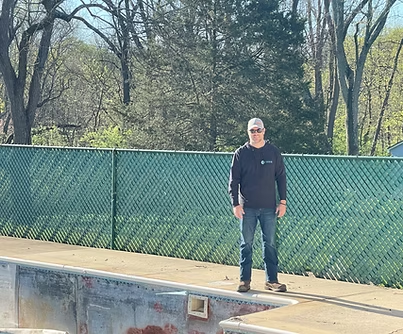
Tim Robinson is the owner of Robinson Landscape LLC, proudly serving Bucks and Montgomery Counties for over 24 years. Known for his strong work ethic, clear communication, and reliability, Tim brings passion and professionalism to every job. When he’s not working, he enjoys time with his wife, two kids, and their family dog.